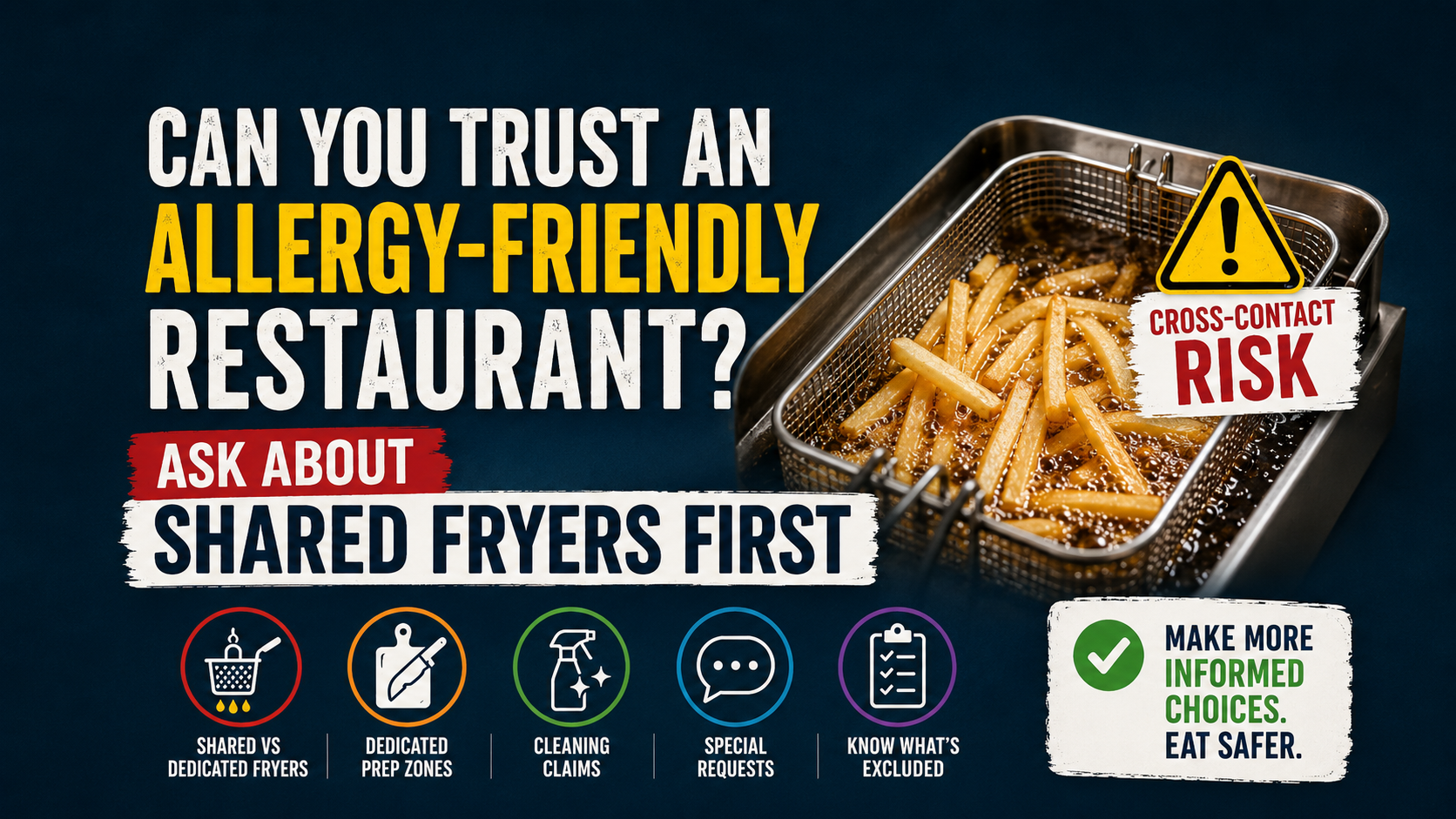
Allergy-friendly labels are only useful when restaurants explain what is excluded and how the food is prepared. Shared fryers, dedicated prep zones, cleaning claims, special requests, and cross-contact can all change whether a menu item is a realistic fit for a diner.
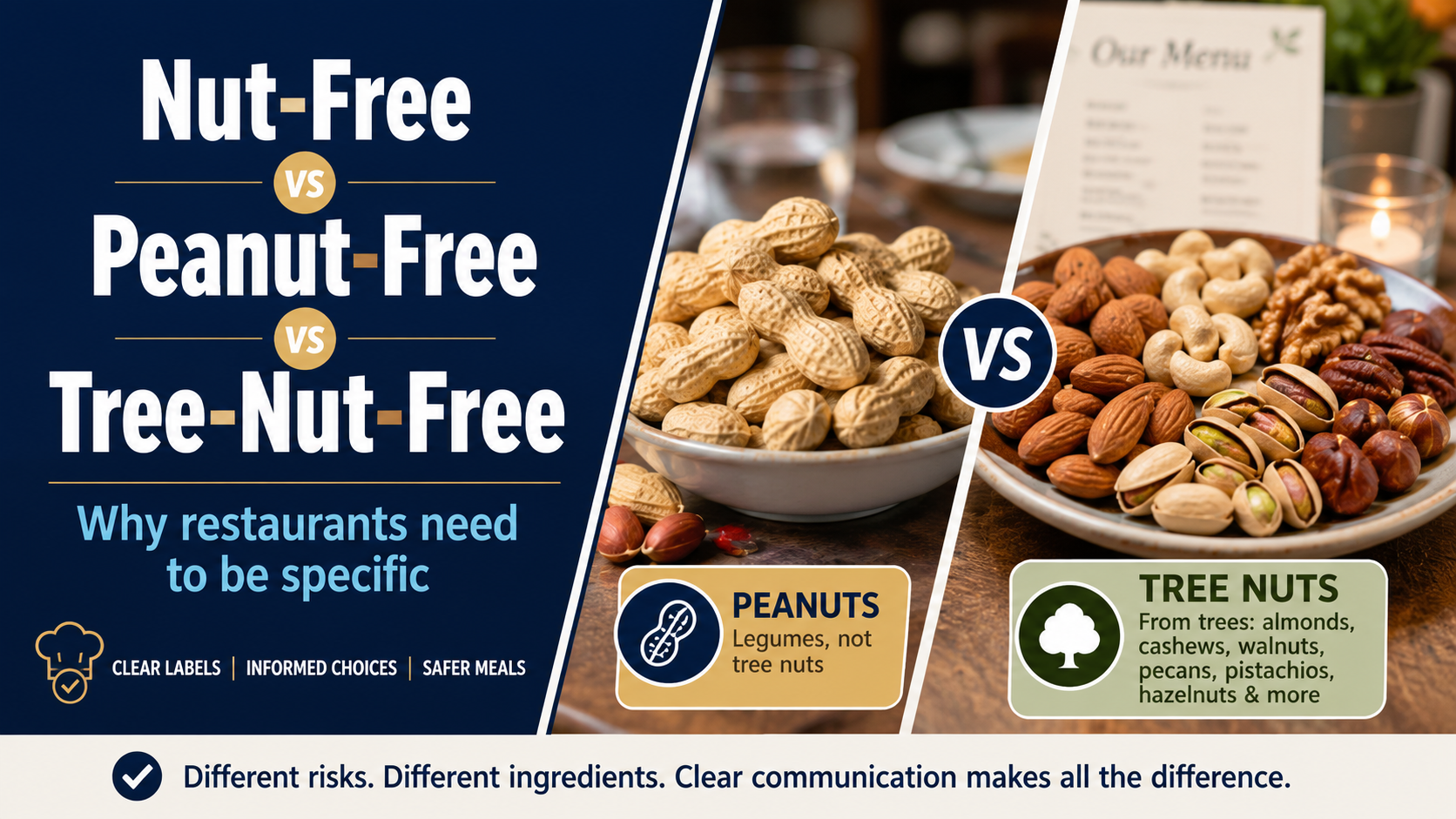
“Nut-free” sounds clear, but it can hide an important difference. Peanuts and tree nuts are separate allergen categories, and many diners are allergic to one but not the other.
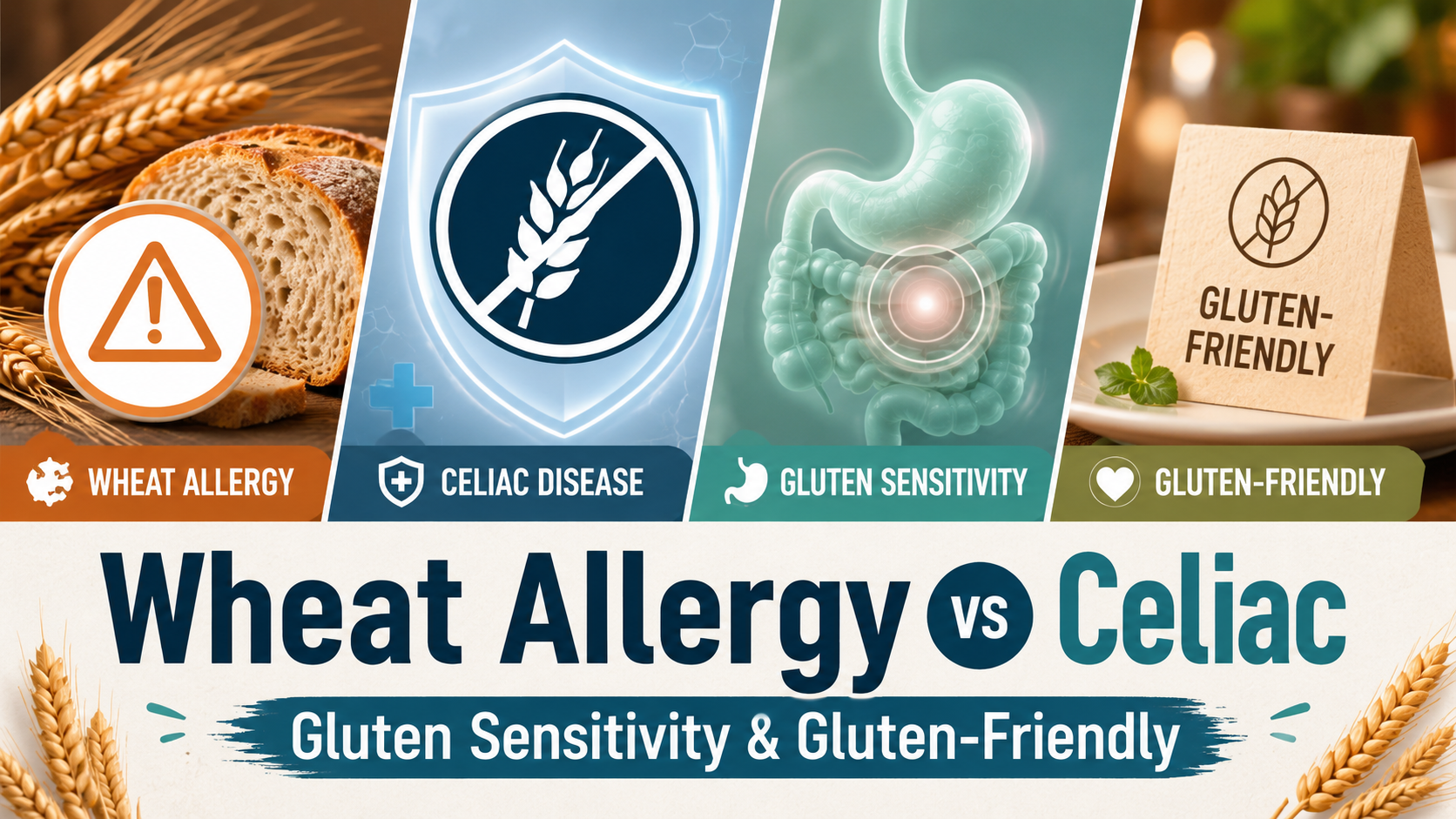
Wheat allergy, celiac disease, and gluten sensitivity are not the same. Learn how wheat-free, gluten-free, and gluten-friendly differ, what each condition requires, and why ingredients and preparation both matter.
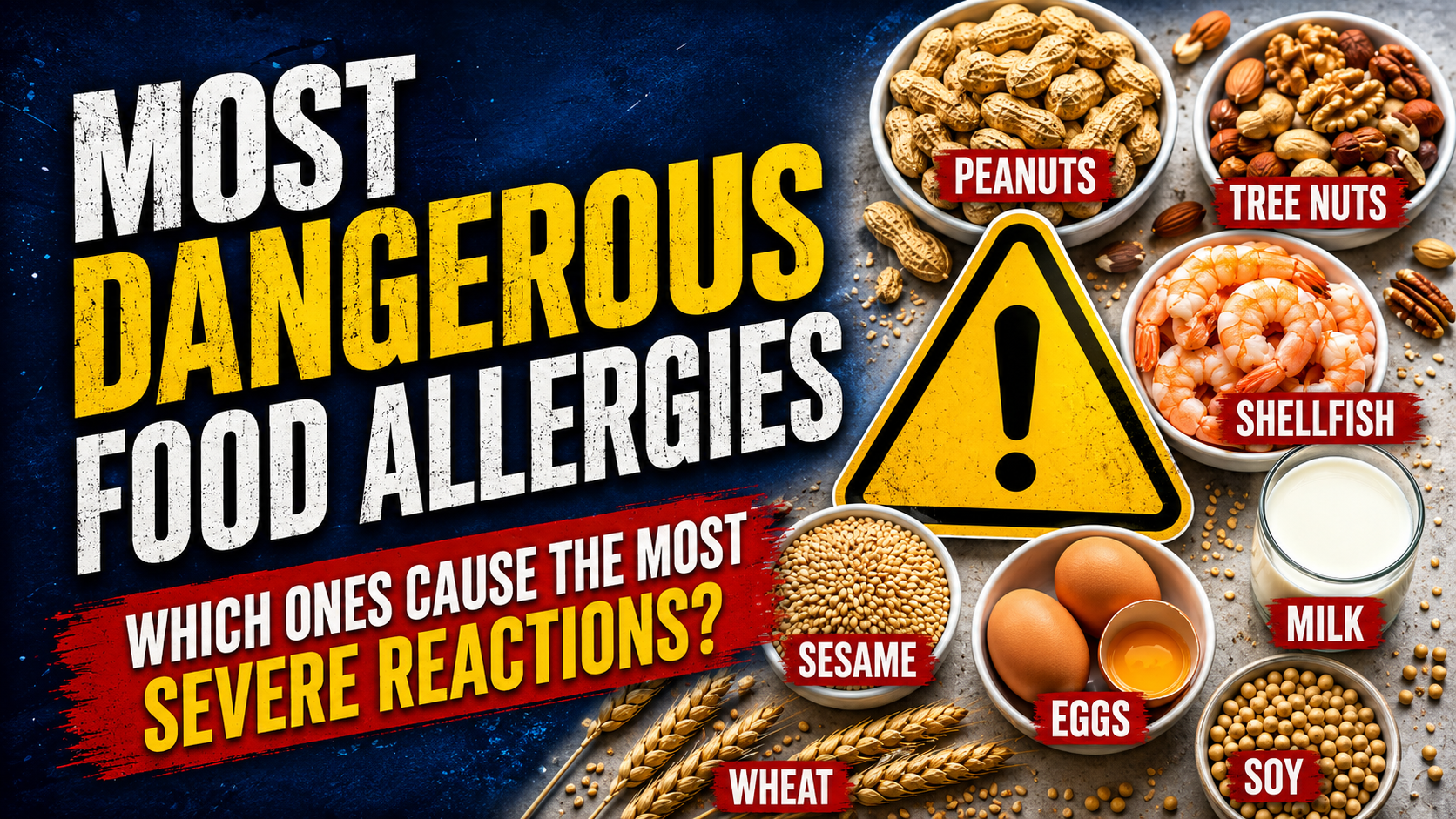
Some food allergies are more often linked with severe reactions, persistence, fatal anaphylaxis, or hidden exposure. Peanuts and tree nuts get the most attention, but milk, shellfish, fish, sesame, egg, wheat, and soy each create different risks.
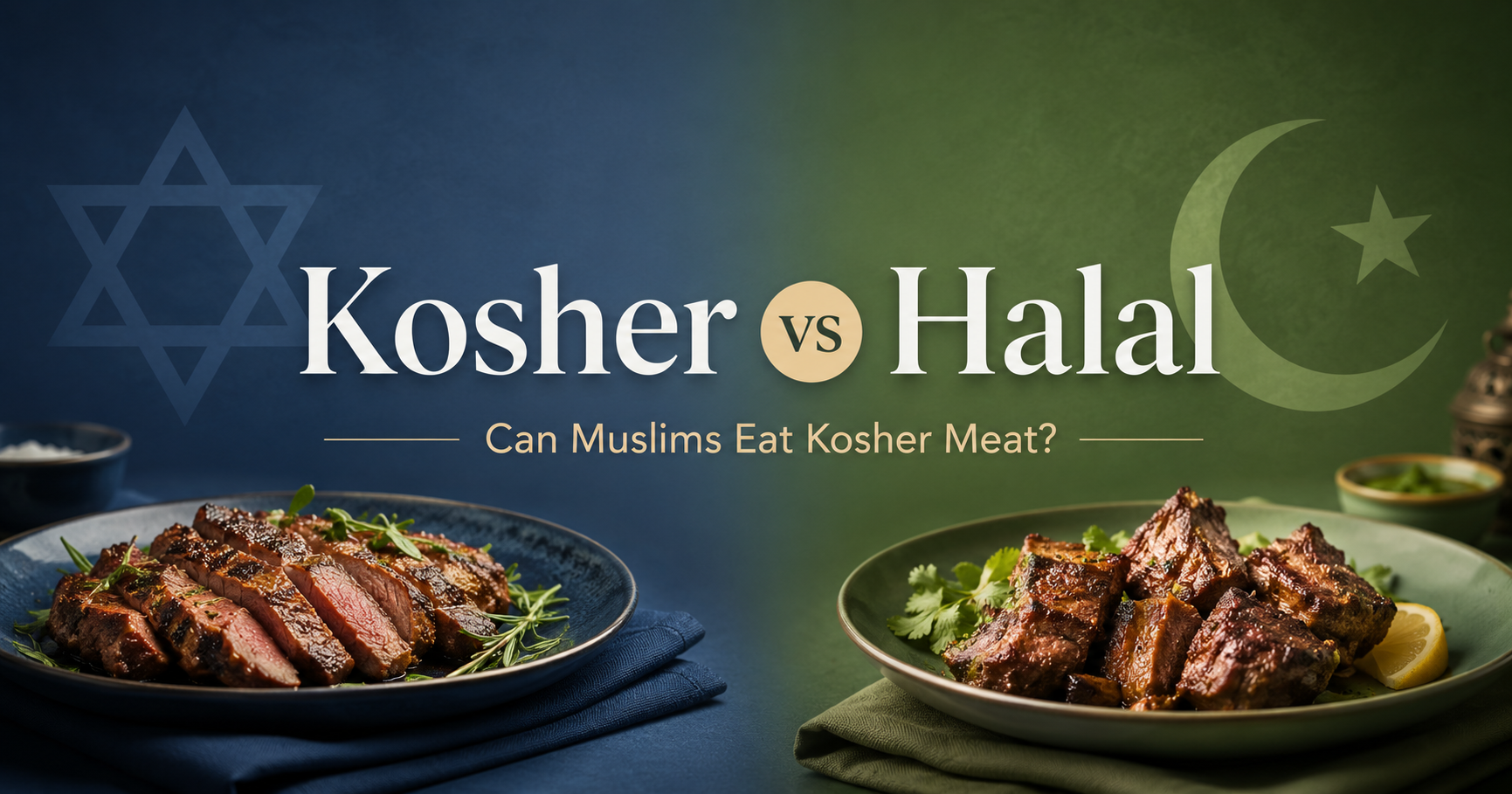
Kosher and halal share important rules around pork and ritual slaughter, but kosher meat is not automatically halal. Sunni and Shia rulings, the type of meat, and the finished dish can all affect the answer.
Finding jhatka restaurants online can be surprisingly difficult. Many restaurant websites, menus, and delivery apps do not clearly explain whether meat is jhatka, halal, or sourced another way. Here’s why that matters for diners who need clear food sourcing information.